Categories
- Argentina
- Chile
- Antarctica
- Easter Island
- Falklands (Malvinas)
- Bolivia
- Peru
- Uruguay
- Paraguay
- Brazil
- Venezuela
- Colombia
- Ecuador
- Galapagos
- Panama
- Costa Rica
- Cuba
- Nicaragua
- Honduras
- El Salvador
- Guatemala
- Belize
- Mexico
- Latin American Xmas
Pages
- Map of South America
- Home Page
- First week in Latin America – October 2009
- Map of Central America
- Contact Us
- The Jesuit Missions in South America
- A week in Buenos Aires
- Street Art of Buenos Aires
Archives
- October 2011 (3)
- September 2011 (9)
- August 2011 (10)
- July 2011 (7)
- June 2011 (6)
- May 2011 (11)
- April 2011 (10)
- March 2011 (4)
- February 2011 (5)
- January 2011 (6)
- December 2010 (6)
- November 2010 (4)
- October 2010 (8)
- September 2010 (5)
- August 2010 (7)
- July 2010 (5)
- June 2010 (6)
- May 2010 (6)
- April 2010 (7)
- March 2010 (6)
- February 2010 (9)
- January 2010 (4)
- December 2009 (8)
- November 2009 (5)
- October 2009 (2)
First week in Buenos Aires
06th October 2009
Arriving in Buenos Aires at 6:30, the LAN pilot surprised us by announcing the temperature was 1 degree. Can it be so cold? Yes, it was!
.
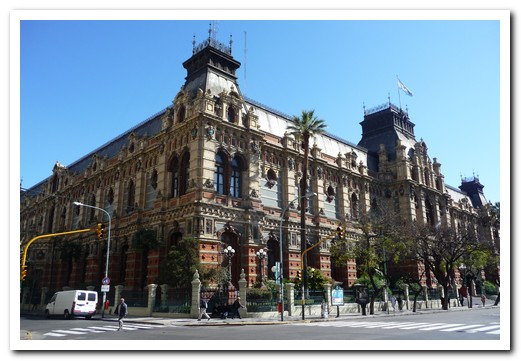
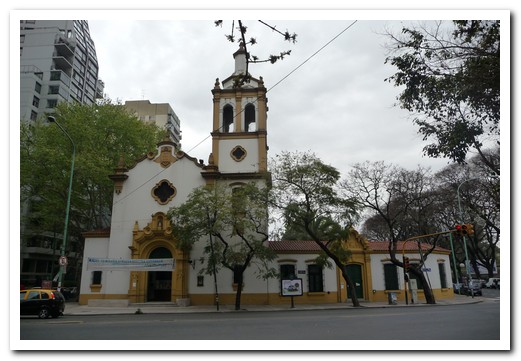
Our first week we spent hours wandering around the city getting our bearings – easy enough as Buenos Aires is laid out in a grid. There is an excellent metro system called the Subte (Subterráneos) which can take you most places, but we preferred to walk.
.
We’re staying in Palermo, a leafy suburb with some cobbled roads and many restaurants, bars and boutiques. Next week we’ll move to San Telmo, another old suburb, to start our Spanish lessons.
–
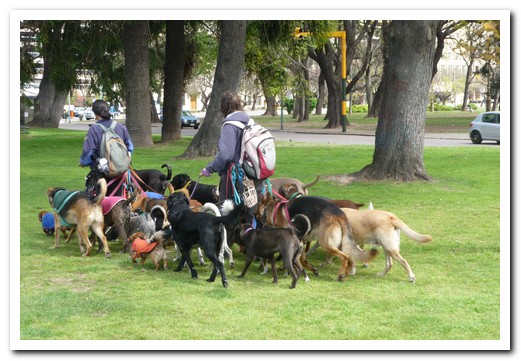
There are many dog walkers (dog poo to match)
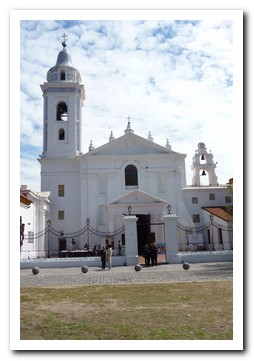
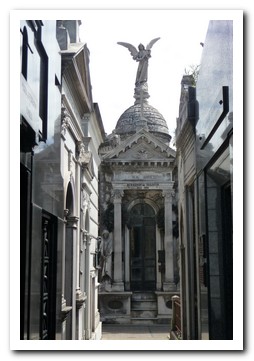
Recoleta Cemetry
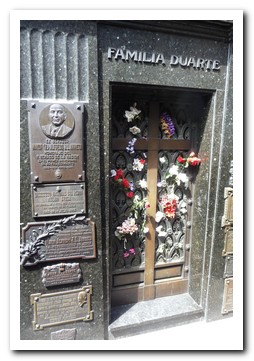
Crypt of Eva Peron (Evita)
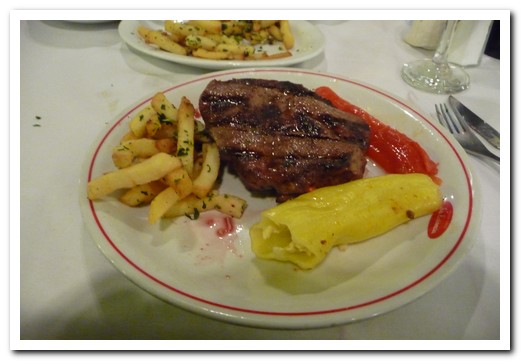
The best steak

At our favourite restaurant - La Estancia
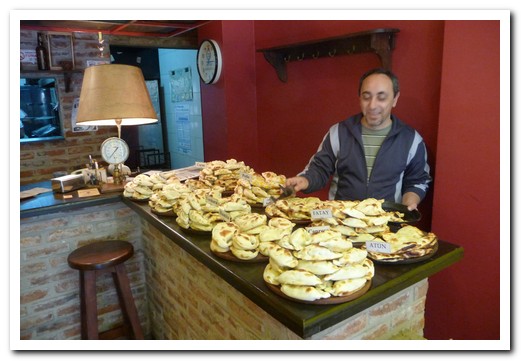
Empanadas are our favourite snack
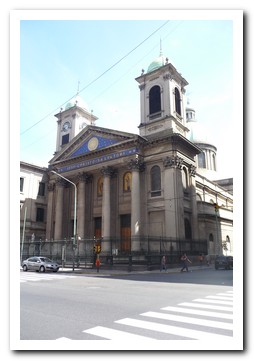
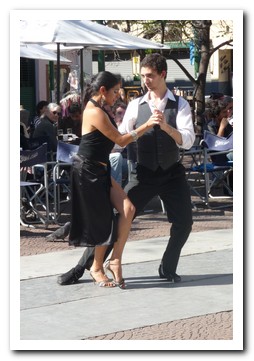
Al fresco tango in San Telmo
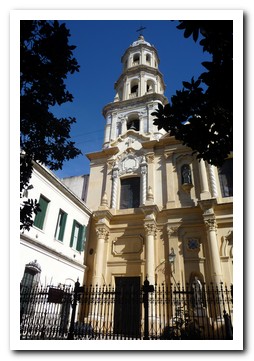
The first two weeks of Spanish School
19th October 2009
We have been at the Rayuela Institute learning Spanish for two weeks now. Jeff has one other student in his class, Pam is by herself – nowhere to hide! We both have lovely profesoras.
.
We spend 4 hours per day there so usually go for a long walk after class to clear our heads before doing the homework.
.
The weekends are for sightseeing.
.
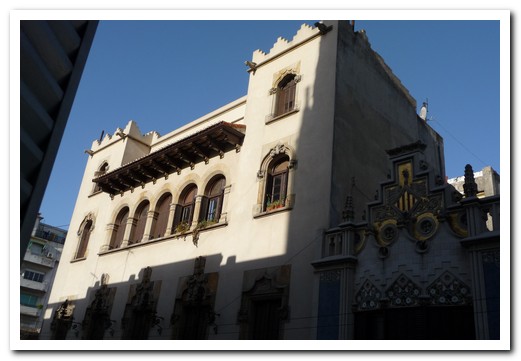
View from our balcony in San Telmo
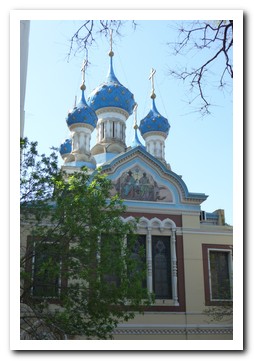
Russian Church in San Telmo
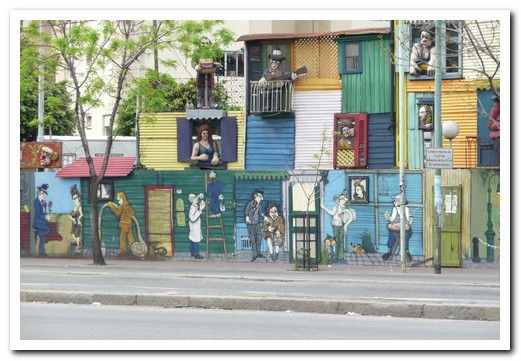
Welcome to La Boca
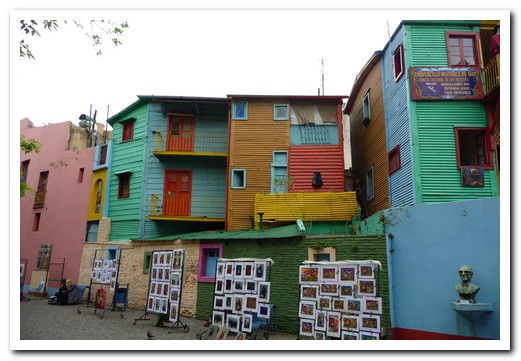
La Boca – first settled by Italian immigrants
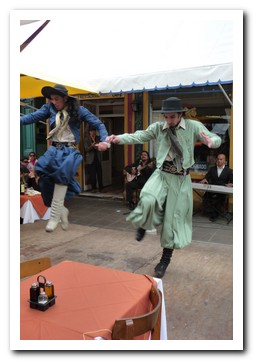
Gaucho dancing
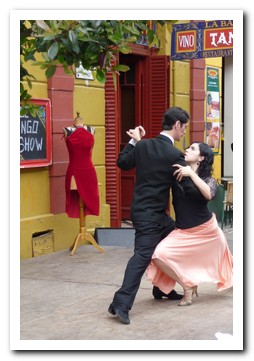
More Tango at La Boca
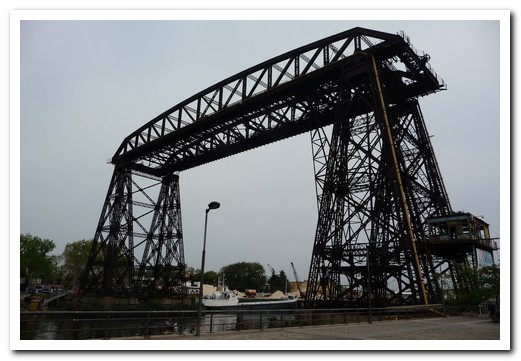
The old transporter bridge near La Boca
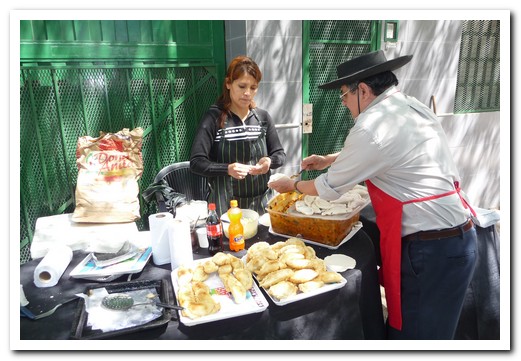
La Feria de Mataderos – making empanadas
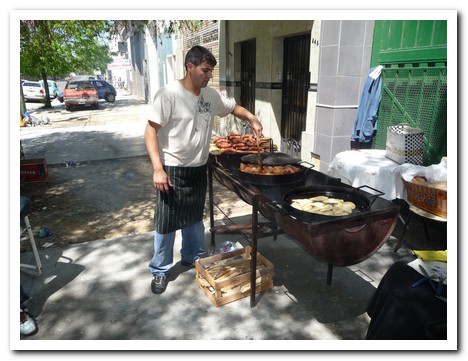
Feria de Mataderos – cooking chorizo

Dancing in the streets at the Feria, held every Sunday

More gaucho dancing
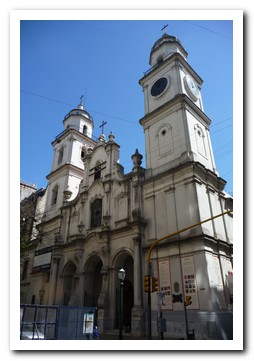
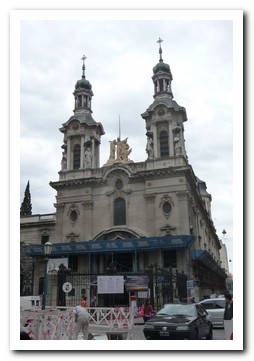
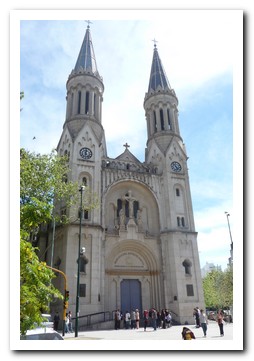
One of the Churches in the centre of Buenos Aires

Bolivian religious festival in the streets of Buenos Aires
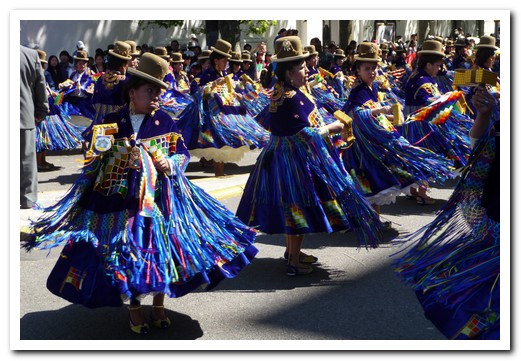
Beautiful colours in the traditional costumes
A weekend away from Buenos Aires
02nd November 2009
We spent the weekend in the Delta north of Buenos Aires. First to Tigre by train, then by river ferry (the only way to travel) into the narrow channels amongst the islands. We stayed in a cabaña on stilts and spent the weekend kayaking and walking. The weeping trees hanging over the water and the lovely houses each with their private jetty made a pretty picture.
.
Back in Buenos Aires, we are enjoying the many Italian restaurants and shops selling fresh pasta, sauces and freshly grated parmesan cheese (an easy meal which we have every second night). The pizzas here are smothered with cheese and delicious.
.
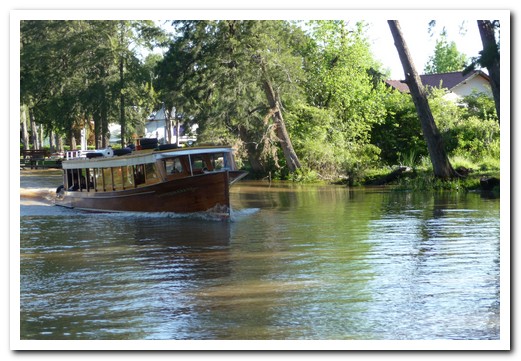
The collectivo ferry between the islands
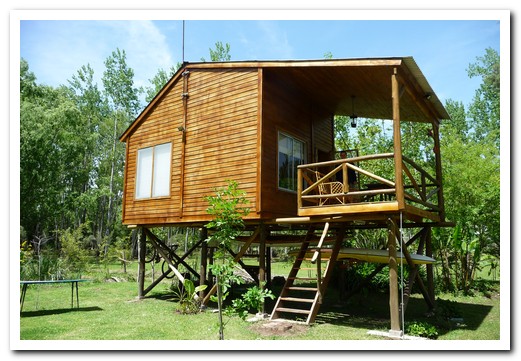
Our cabaña on Isla Chamame
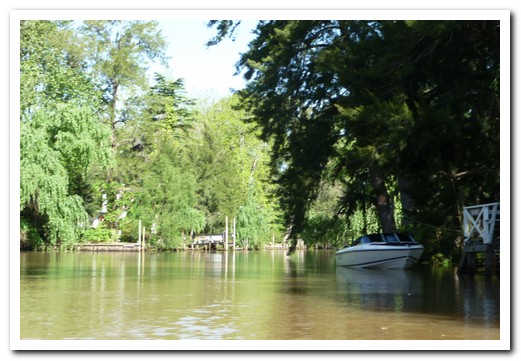
View from the kayak
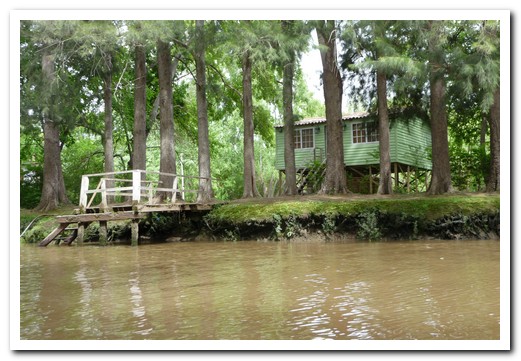
One of the cute little houses along the river
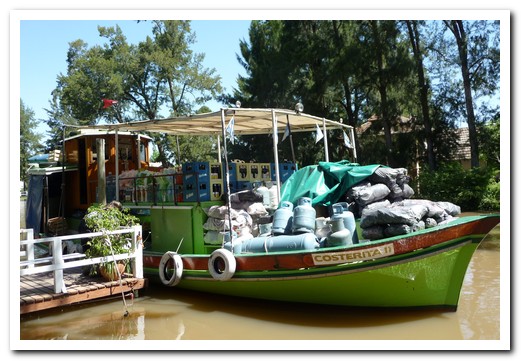
The grocery boat comes by once a day
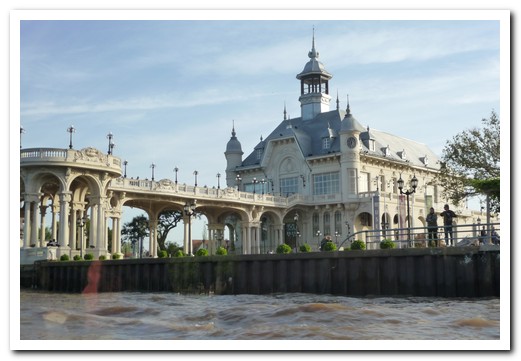
Tigre
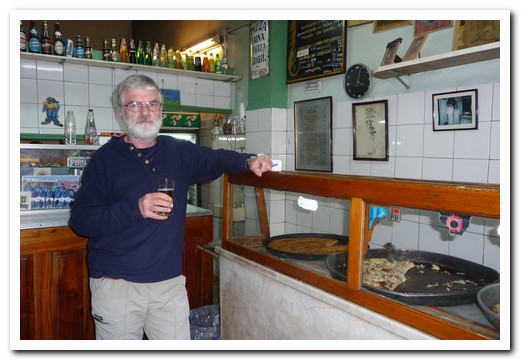
Pirilo is a tiny bar without seats, tables or plates selling 3 different types of pizza by the slice (a slice of pizza and a glass of wine costs $2). It has been there since 1930 and is usually packed.
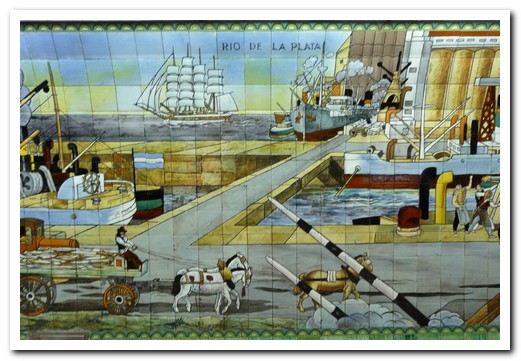
One of the tiled murals decorating the walls of the subway in Buenos Aires
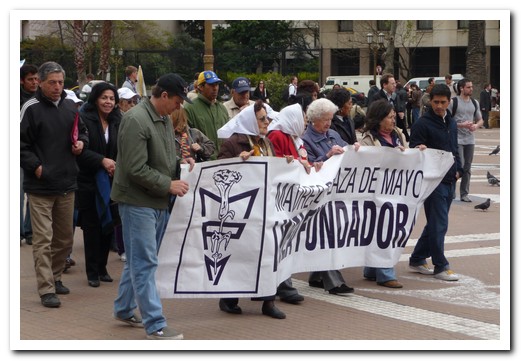
Still a few mothers march around the Plaza de Mayo every Thursday at 3:30 pm to protest their childrens disappearance over 30 years ago
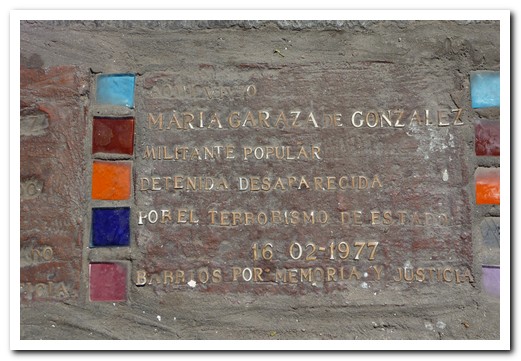
One of the many plaques in the pavements on Buenos Aires to remember those who dissapeared
Bariloche
09th November 2009
After a 20 hour bus ride from Buenos Aires, we arrived in Bariloche in the Argentine Lake District as it started to snow and it was summer.
.
For a little bit extra we took the bus with beds and enjoyed the movies, meals and wine on the way.
.
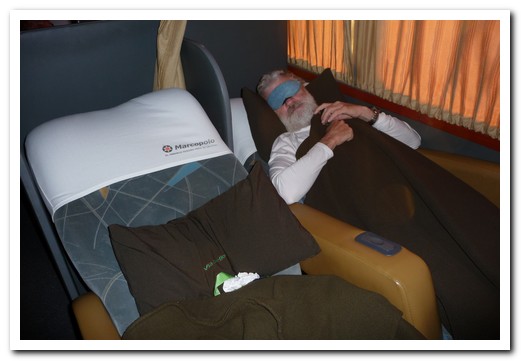
Jeff slept though the 11 pm glass of champagne on the bus
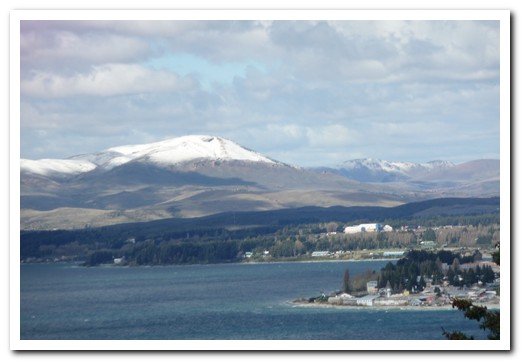
Bariloche on Lake Nahuel Huapi
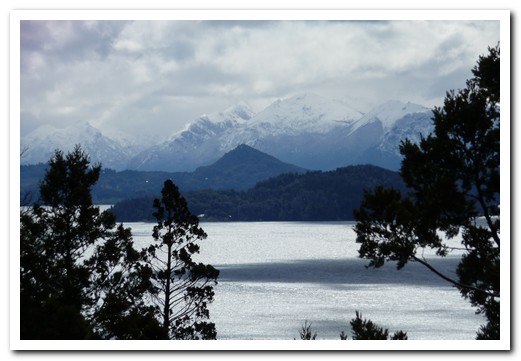
Across the lake from Bariloche
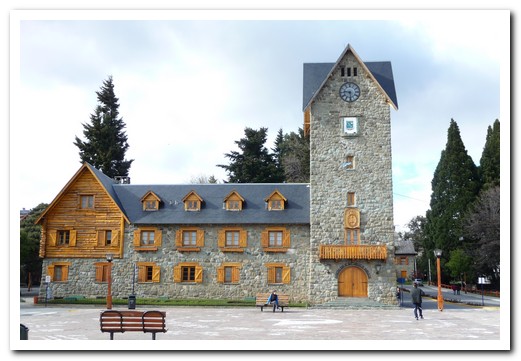
Bariloche center – it was first settled by Germans
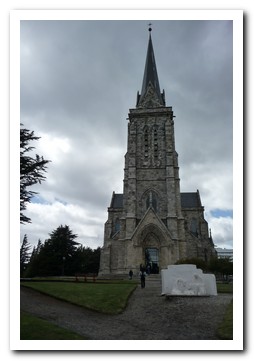
Church
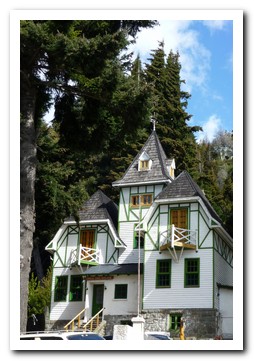
German influence
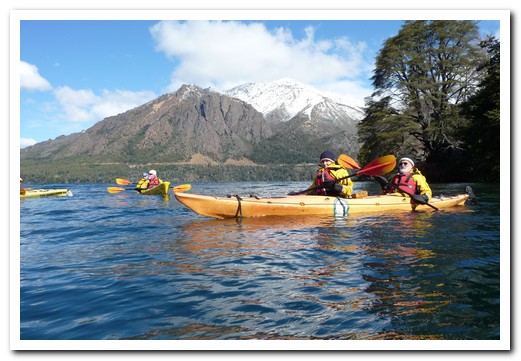
Kayaking on a nearby lake
Ushuaia
31st December 2009
Back in Argentina, we spent a few days in Ushuaia, the most southerly city in the world. It was founded as a penal colony and the prison, now a museum, shows the harsh conditions of the past. The old prison steam train (Tren del Fin del Mundo) carries tourists along the valley to the Tierra del Fuego National Park.
.
The history of the indigenous people from this area is particularly interesting as they traveled for long periods of time in large bark canoes completely naked rubbing their skin with seal fat to keep warm. In the National Park, large mounds of their shells can still be seen along the coastline.
.
The National Park is close to Ushuaia and has many wonderful walking trails. We spent two days there and were lucky enough to spot a red fox and woodpeckers.
.
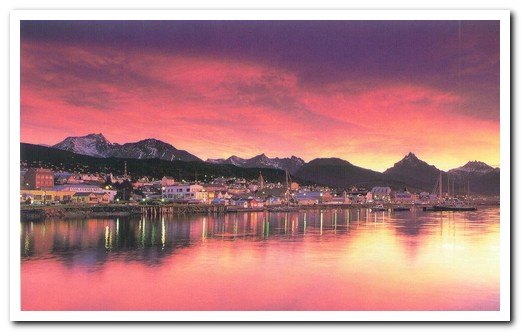
Ushuaia by night
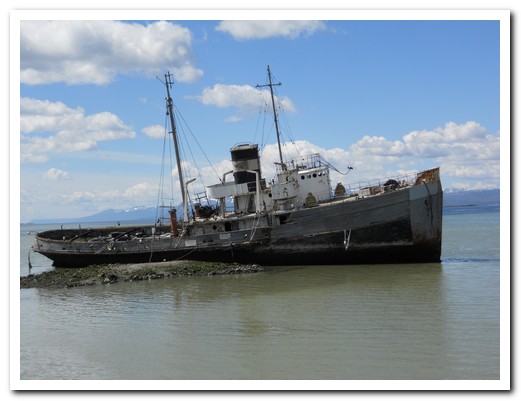
Old steamship rotting in Ushuaia harbour
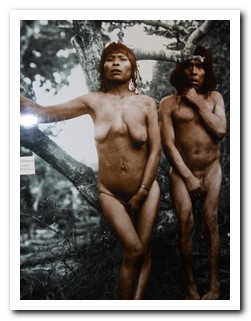
Old photgraph of a Yamana couple in Ushuaia museum
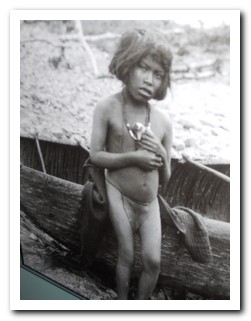
Yamana girl beside canoe
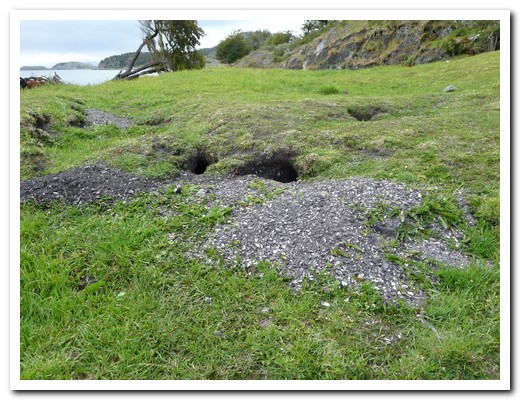
Midden of shells from the Yamana people

Mural depicting the early prisoners of Ushuaia

View from our campsite in Tierra del Fuego NP
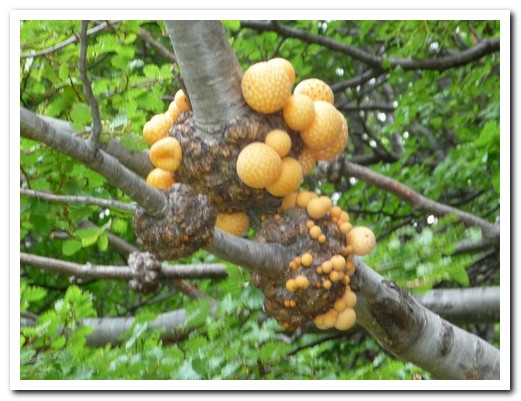
Edible parasite on the tree
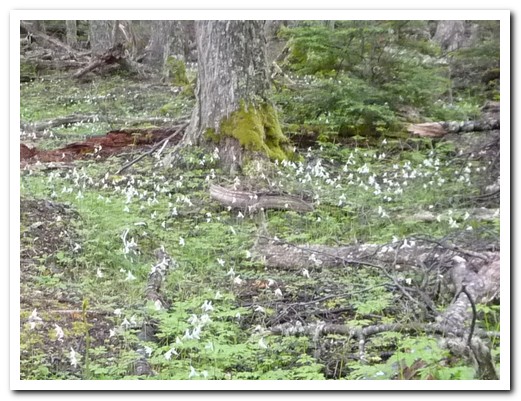
A carpet of ground orchids in the forrest
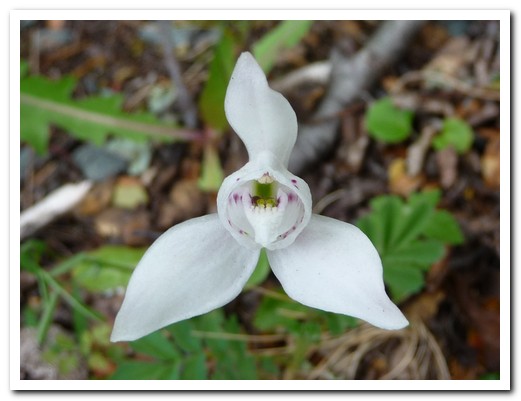
Close up of orchid
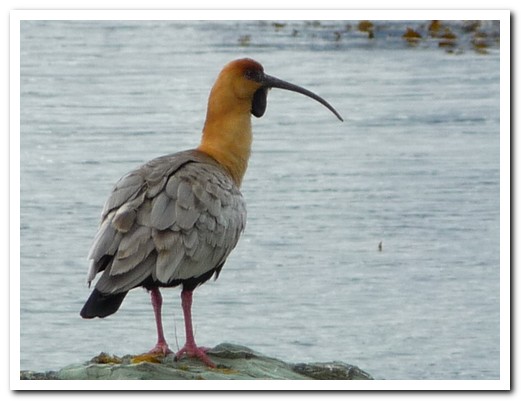
Ibis
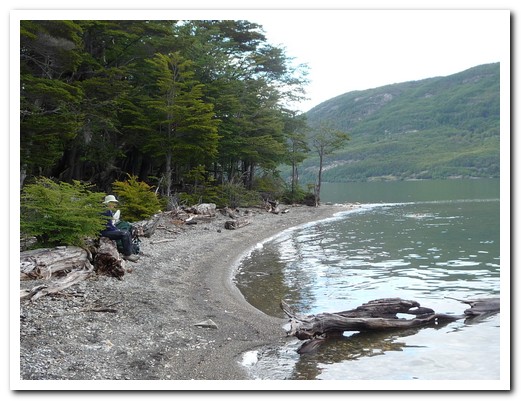
Lago Roca, looking back from the Chilean border
Los Glaciares National Park (Patagonia)
11th January 2010
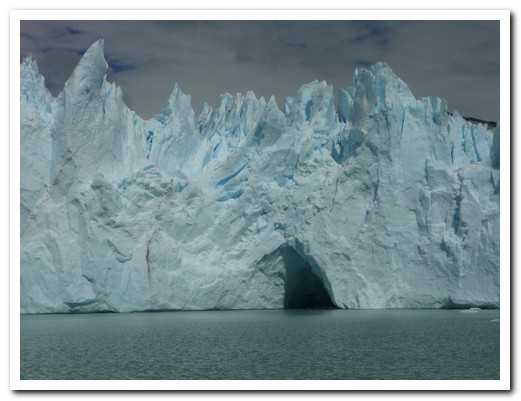
We stopped in El Calafate to visit the impressive Perito Moreno Glacier, staying at the beautiful Posada Newenkelen. The glacier is 5 kilometres wide and 60 metres high and the only glacier advancing.
.
It is peak tourist season and the little town was bursting at the seams with visitors. We experienced the full force of the Patagonian winds (95 kph), like being sandblasted while walking the dirt roads.
.
Further north is El Chaltén, situated right in the northern sector of the national park. It is possible to step out of the hostel and begin walking. It is free to enter and camp. We spent 4 days trekking around Mount Fitzroy (3405 metres) and were fortunate to see many wild flowers, birds and animals. The weather was perfect to start, but deteriorated into howling winds, rain and hail by the last day.
.
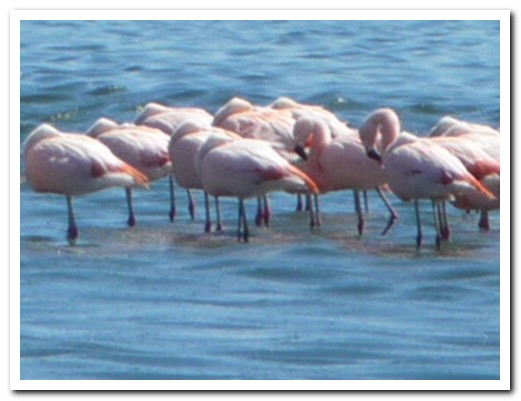
Flamingoes at El Calafate
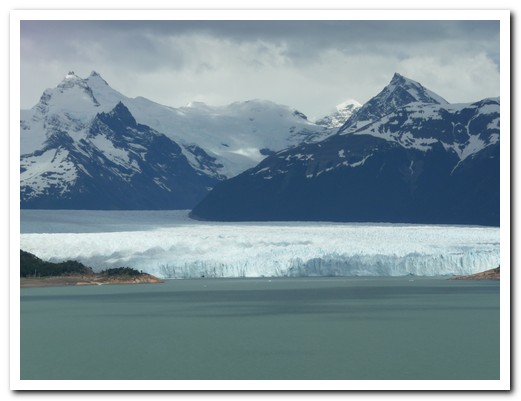
Perito Moreno Glacier
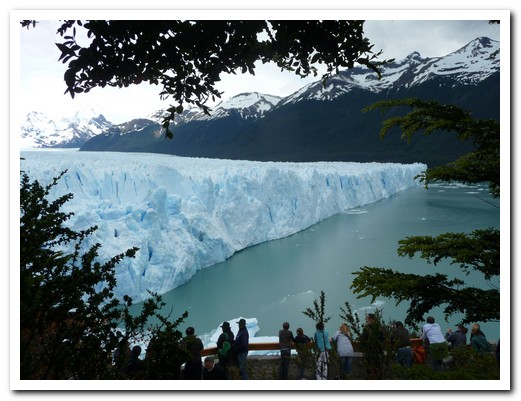
A closer view
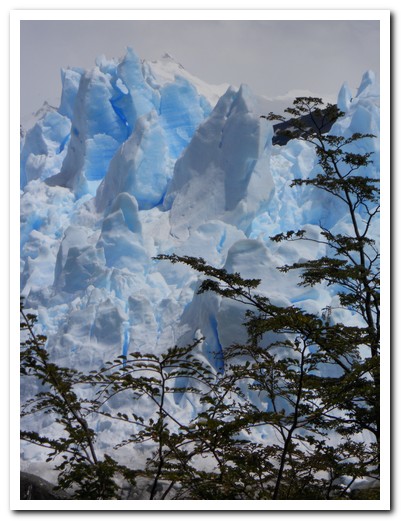
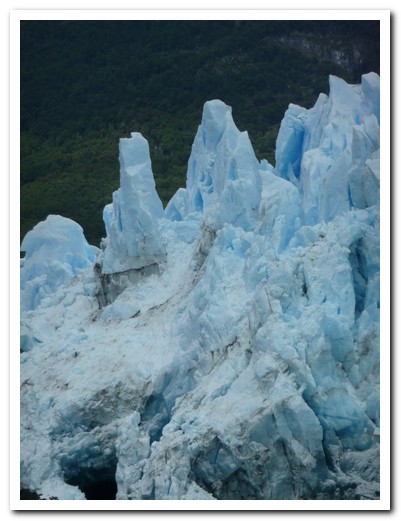
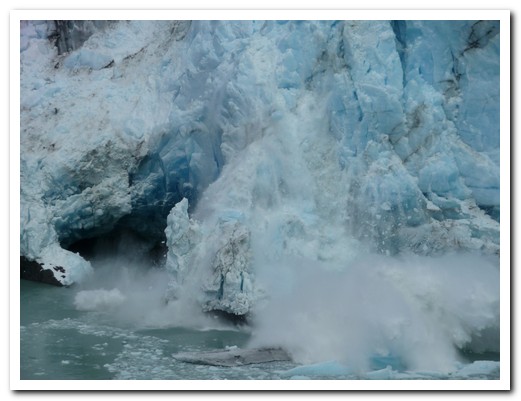
Glacier calving
.
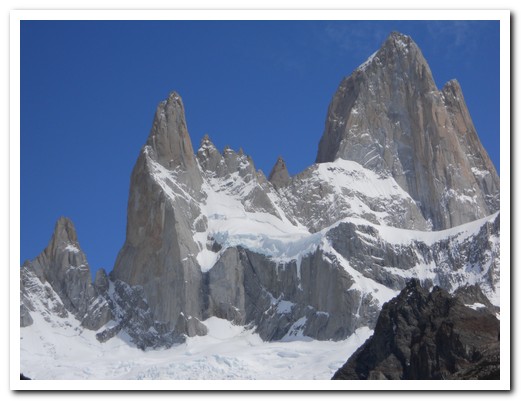
Mount Fitzroy is in the northern section of the park
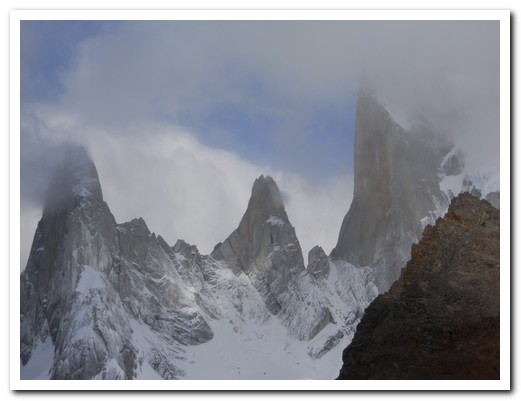
The weather closing in
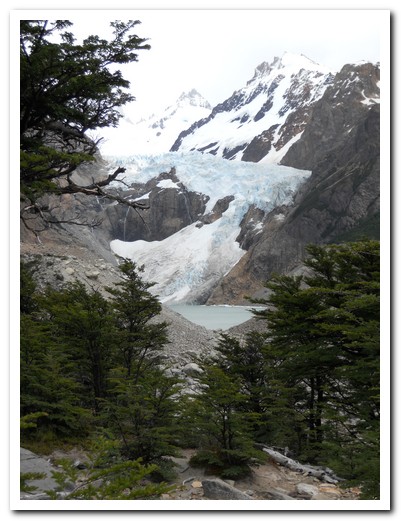
One of many glaciers
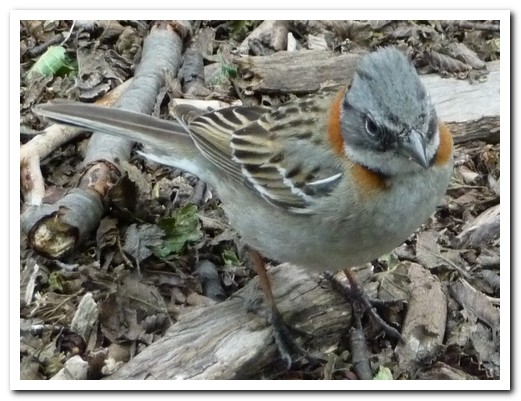
A little bird picking around the camp site
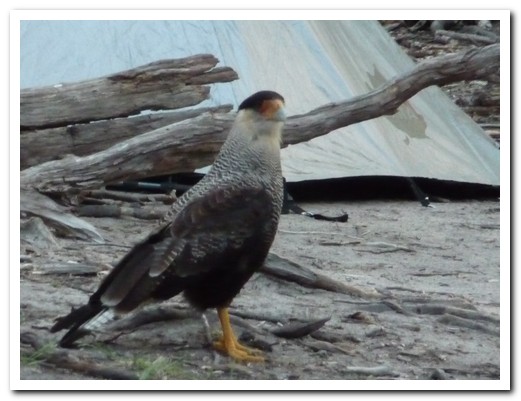
A big bird picking around the camp site
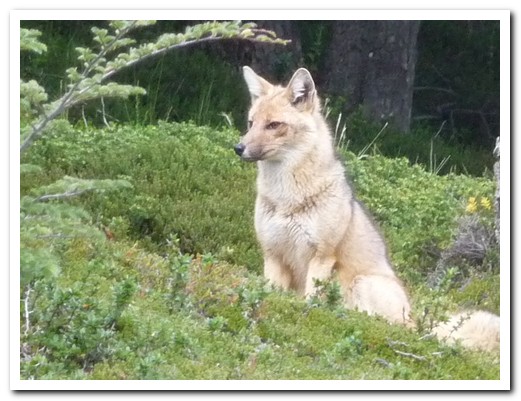
A Patagonian red fox prowling around the camp site
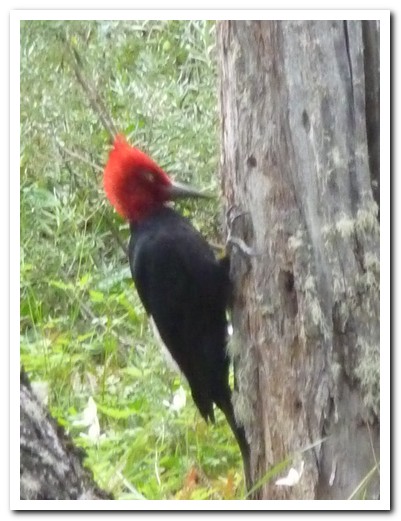
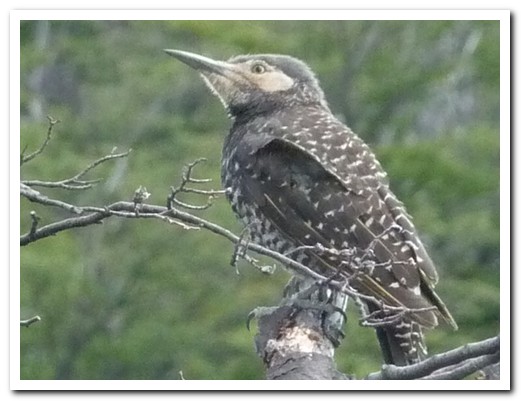
Woodpecker
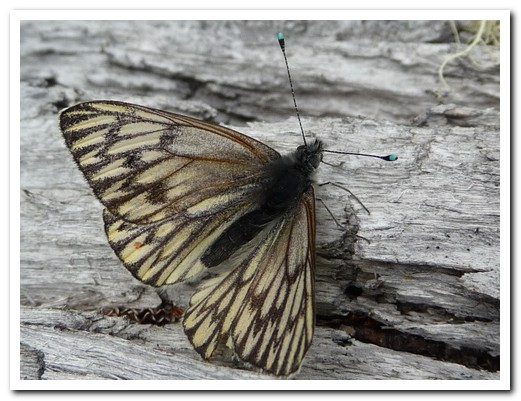
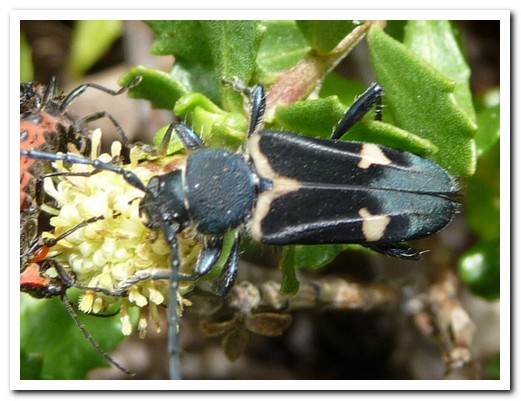
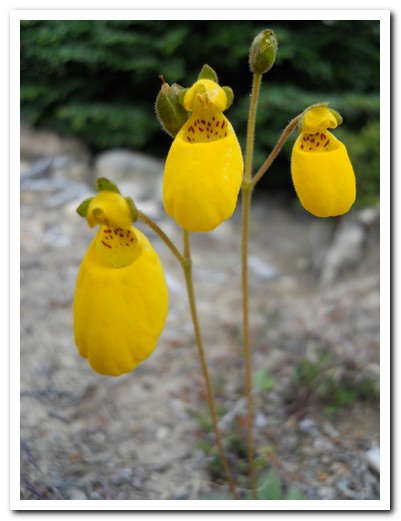
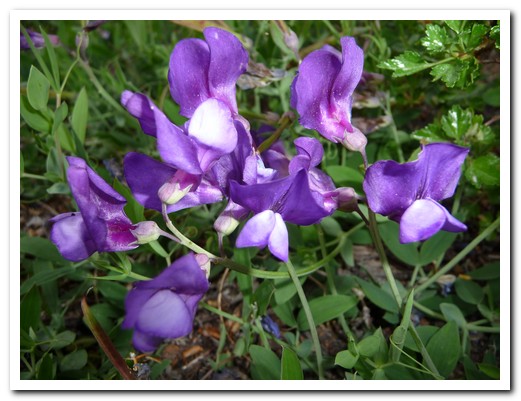
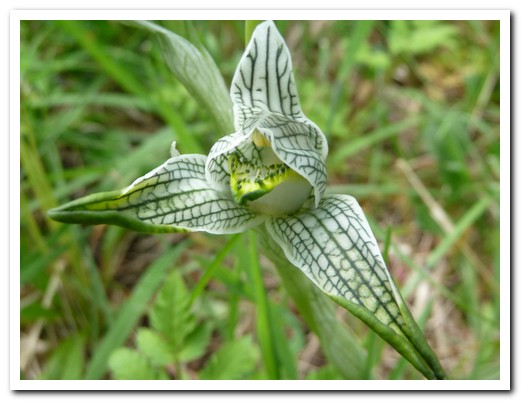
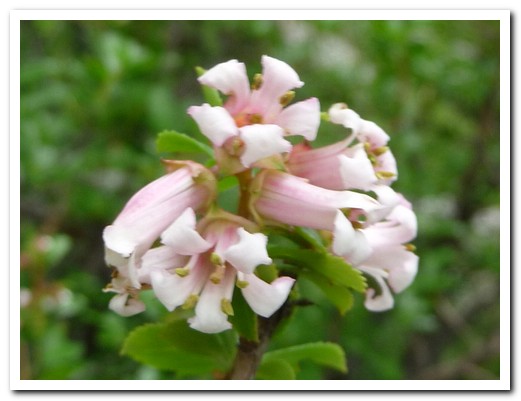
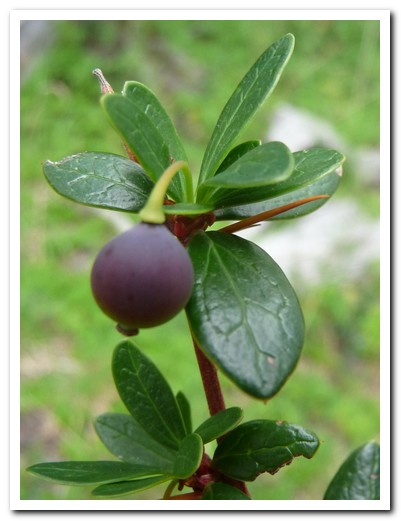
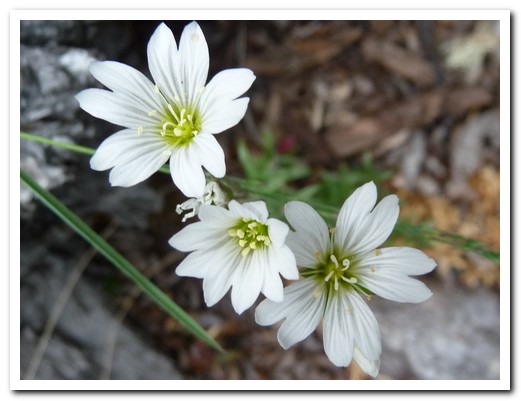
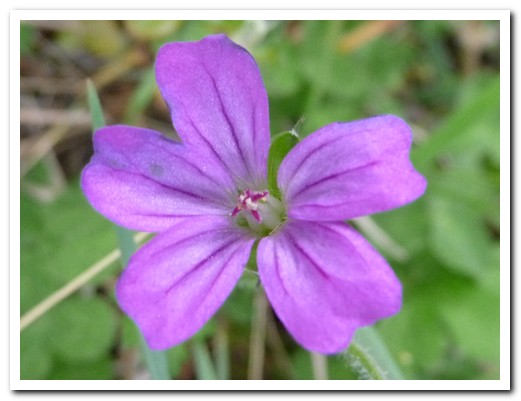
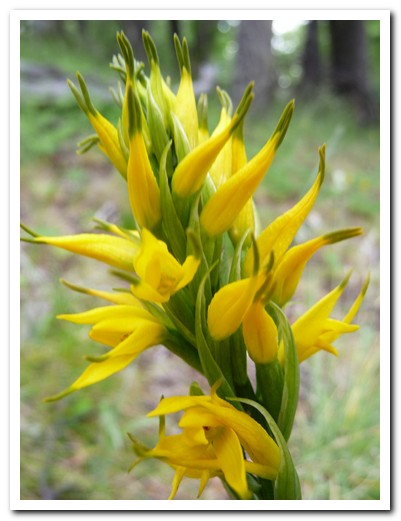
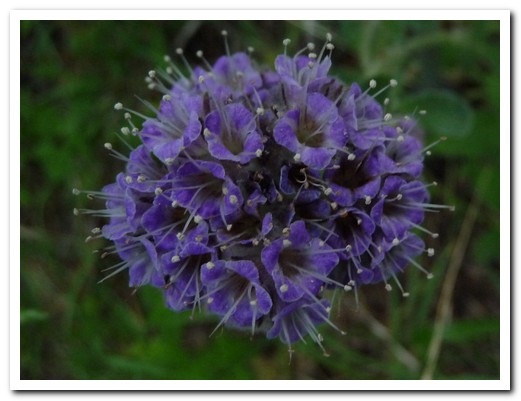
Calafate berry - tasty
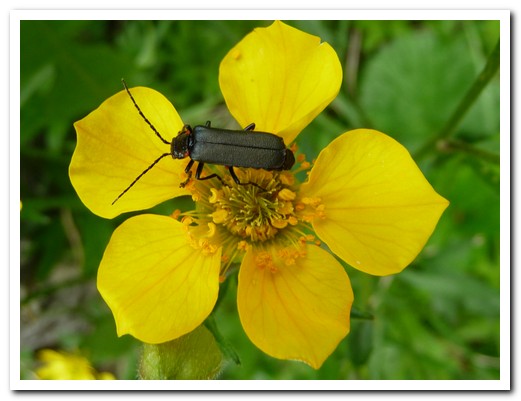
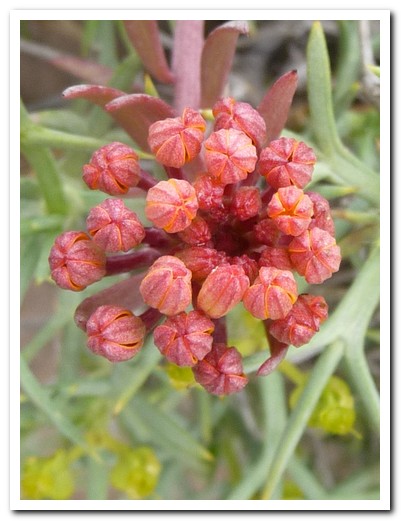
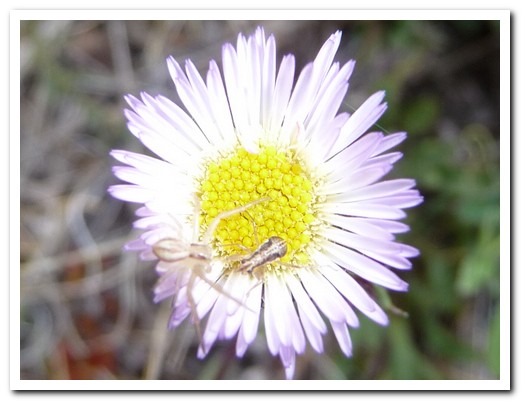
Ruta 40 Argentina
18th January 2010
We were happy to arrive in El Bolsón after 2 long 12 hour days on a bus heading north on the adventurous (code word for unpaved) Ruta 40.
.
El Bolsón is a hippy town with a lively craft and organic food market. The delicious berries and cherries are in season. We spent a pleasant afternoon sampling the local homemade beer, lying on the grass listening to music.
.
Not far our of town is el Bosque Tallado, a forest of huge sculptures carved out of trees burnt in a forest fire. We also trekked beside the Rio Azul (blue river) up to el Cajón del Azul, a narrow canyon 3 metres wide and 40 metres deep.
.
To go back in time it is possible to ride la trochita (the old Patagonian Express steam train) on a 2 hour round trip from Esquel. It was from there we accessed the National Park Los Alerces, hiking above the tree line and were almost blown off a steep ridge by the strong gusts of wind.
.
Before leaving we made a special trip to Trevelin, where the Welsh settled in the mid 1800´s, to sample a Welsh afternoon tea at one of the Casas de Té.
.
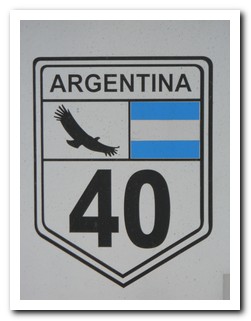
The famous Route 40
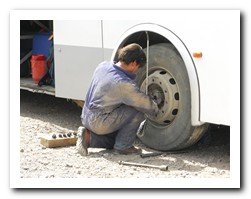
Just a minor 1 hour delay
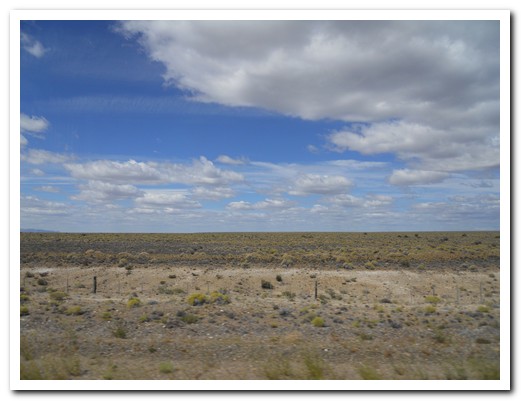
The view from the bus for 2 days
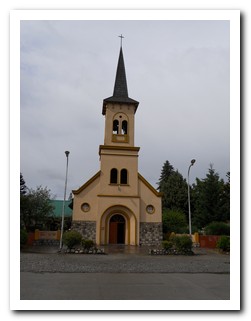
The church in El Bolsón
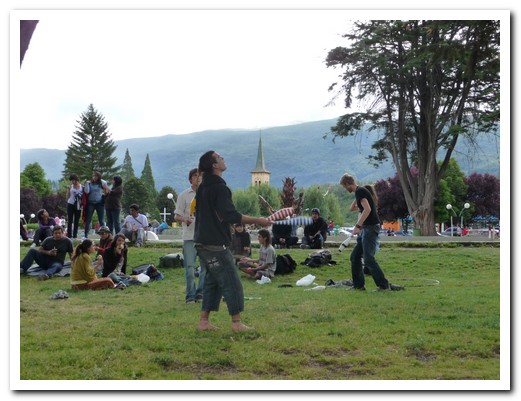
El Bolsón hippy scene
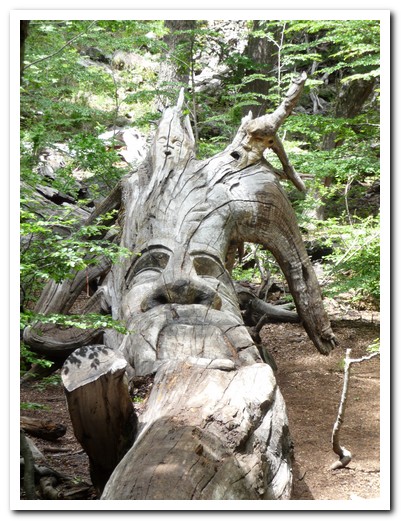
Sculptured tree in El Bosque Tallado
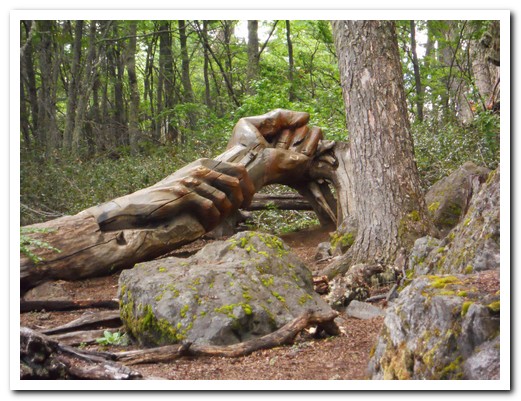
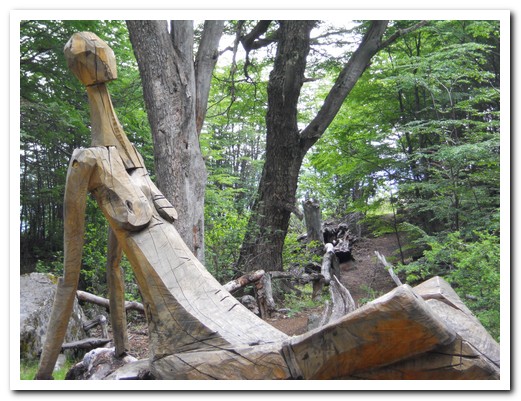
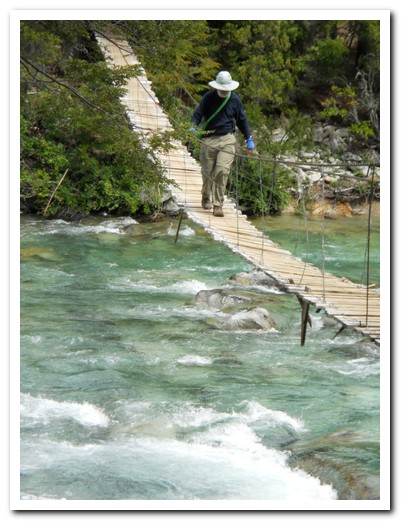
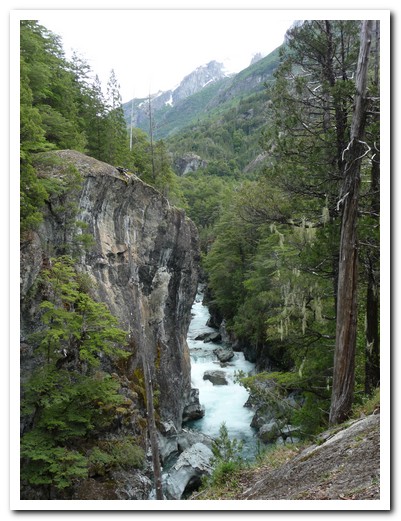
Rio Azul
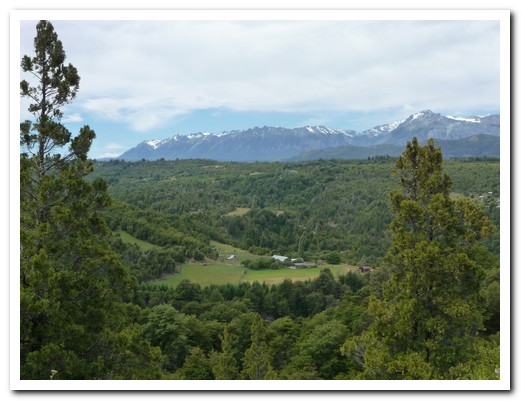
Looking down the valley of the Rio Azul
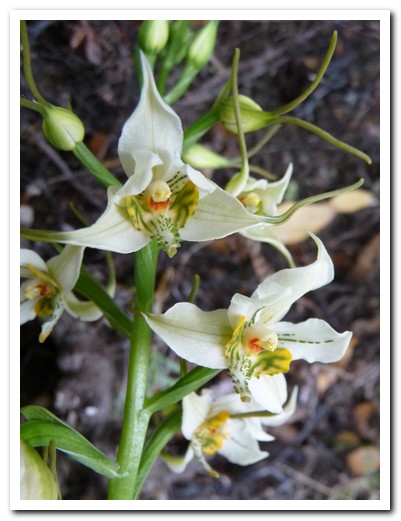
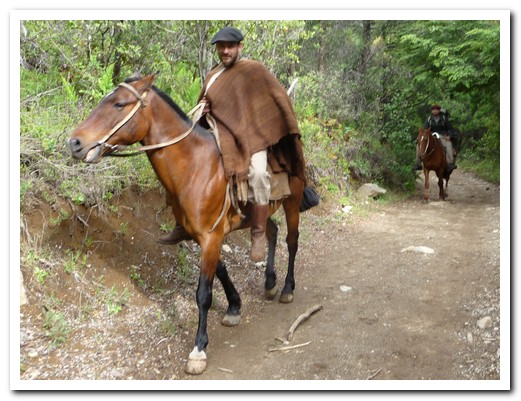
Gaucho on the path
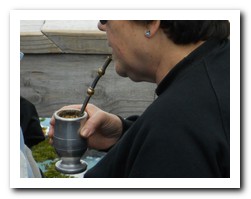
Argentinos love their mate
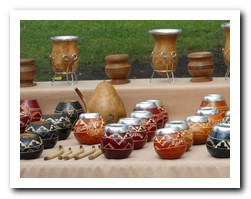
Different mate cups
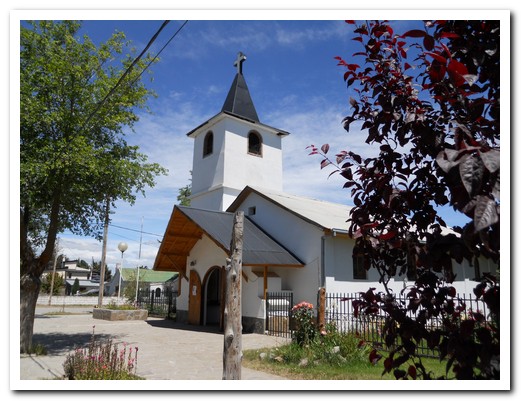
Church at Esquel
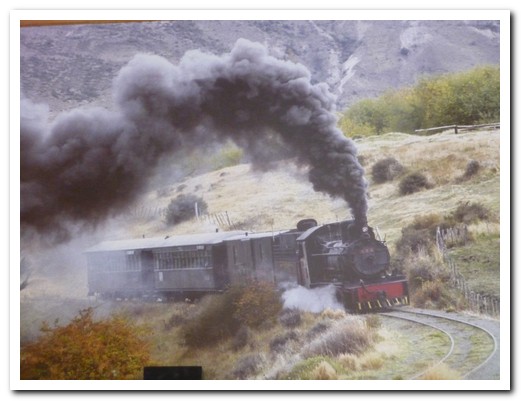
The old Patagonia Express
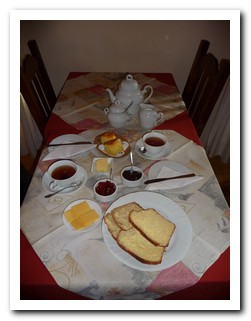
Welsh afternoon tea, part 1
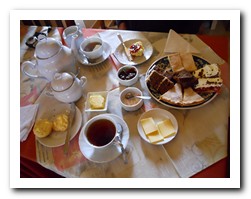
... and then there was more
Nahuel Huapi National Park
24th January 2010
We continued north on Route 40, now paved to Bariloche, winding through beautiful green Andean foothills. We were back in the Lake District but this time (last time) there was not a cloud in the sky as we set off hiking in Nahuel Huapi National Park.
.
We took on a walk a bit harder than we expected having to scramble up big rocks, in between cracks, walk across snow and descend on almost vertical loose unstable rocky slopes. The camping was great though.
.
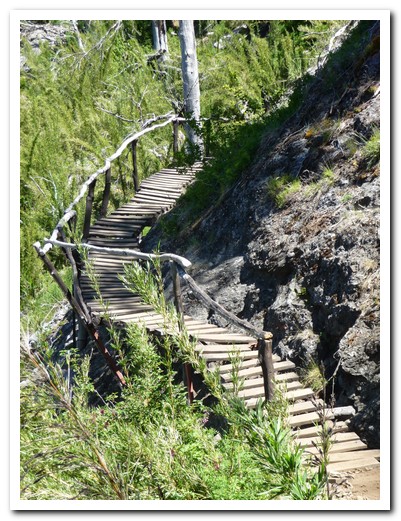
Part of the path to Refugio Frey
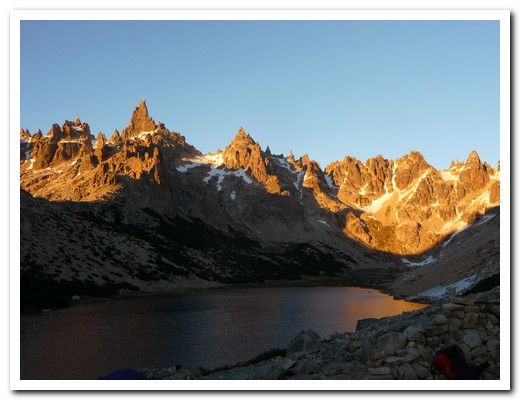
Dawn at Refugio/camping Frey
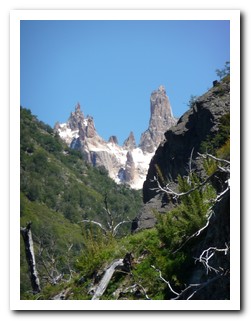
Looking up the valley to Cerro Catedral
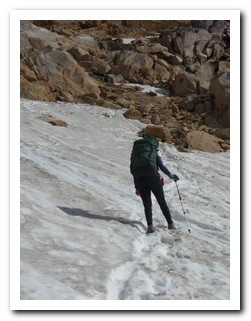
Pam crossing a snowy patch
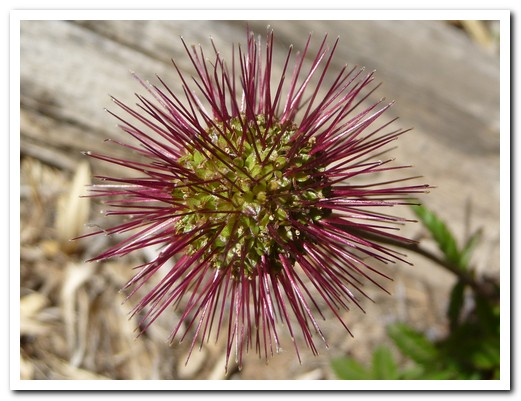
Strange plant beside the path
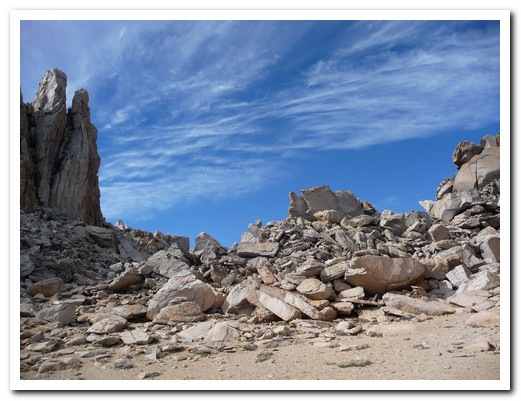
Tough walking over rocky terrain
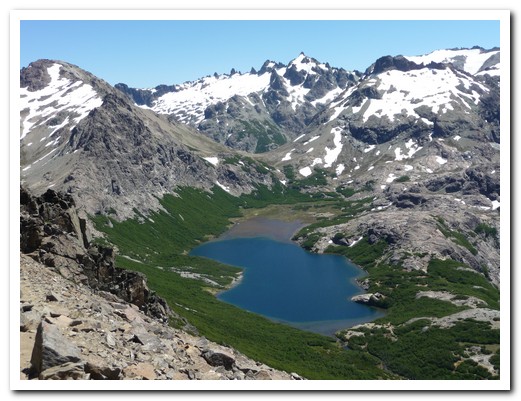
All we had to was get down there to Refugio San Martin
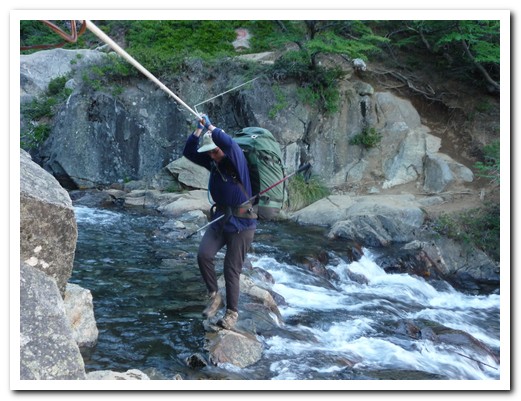
Terrified Pam crossing a waterfall
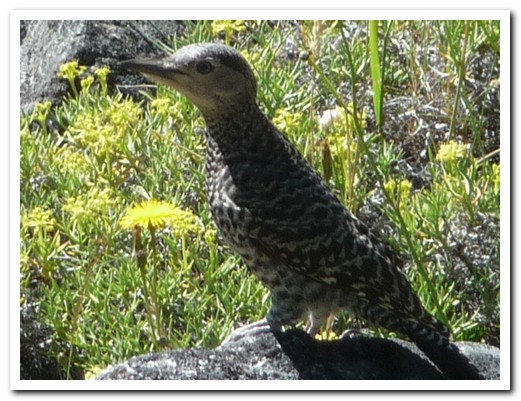
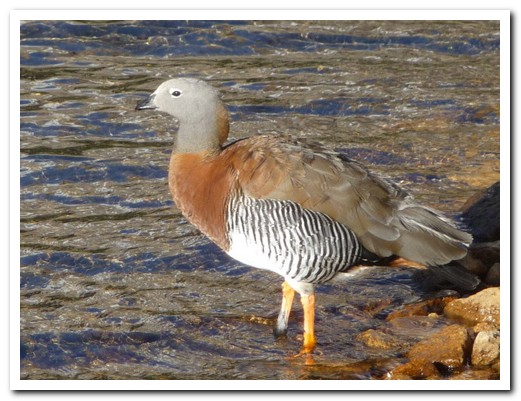
Lanin National Park
29th January 2010
In Lanin National Park, the centerpiece is Volcan Lanin in the Argentine Lake District on the border with Chile.
.
We hired a car for 4 days to explore the lakes north of Bariloche, camping in the national parks and taking advantage of the wood fires to cook our food.
.
Before leaving the area we sampled the delicious local trout washed down with Argentine Sauvignon Blanc.
.
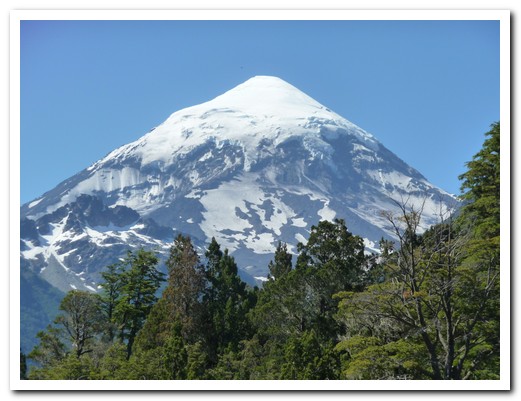
Volcan Lanin
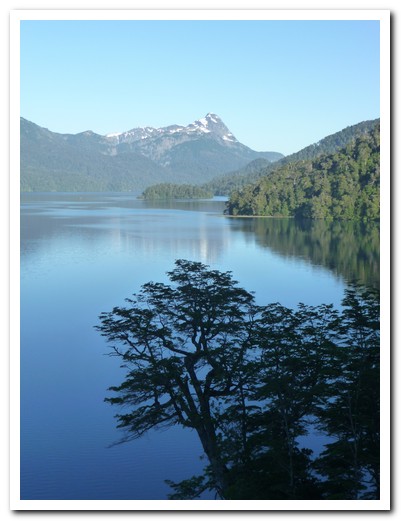
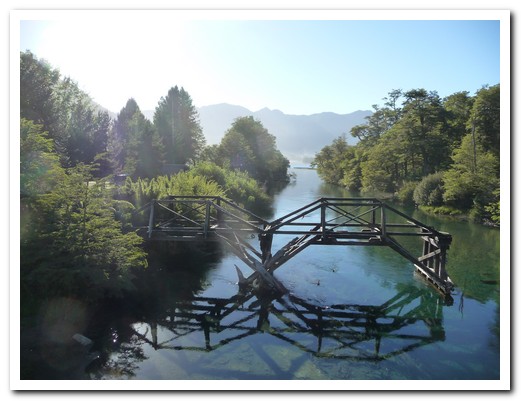
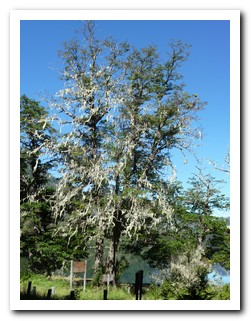
Moss growing on tree
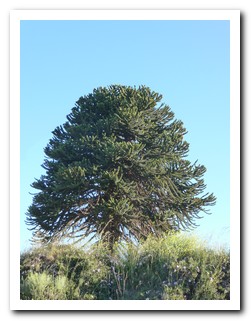
The curious Monkey Puzzle tree
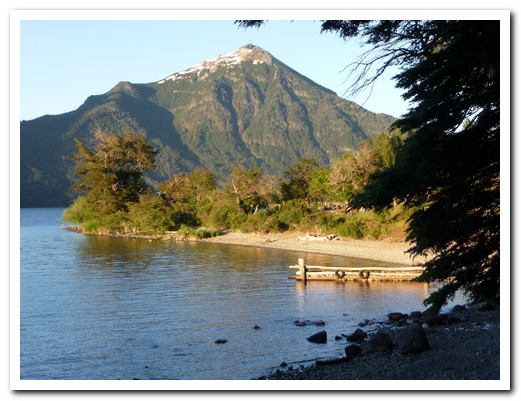
Our camp site one night
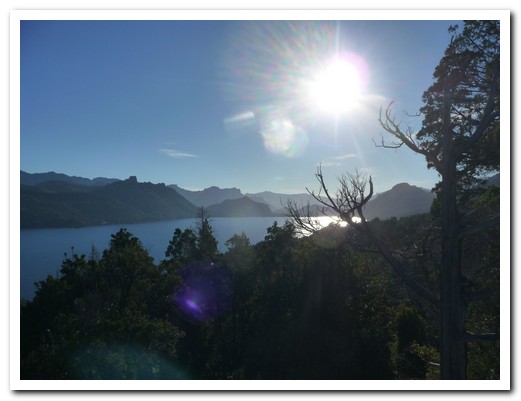
Sun over the lake
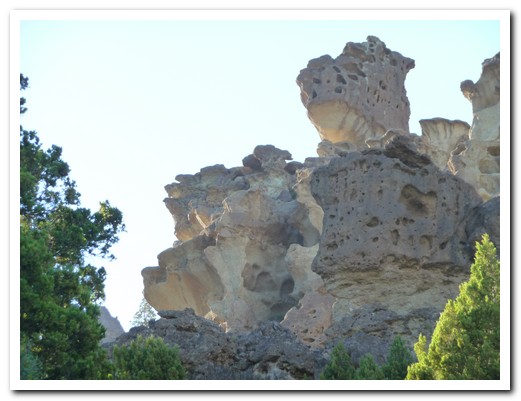
Strange rock formations
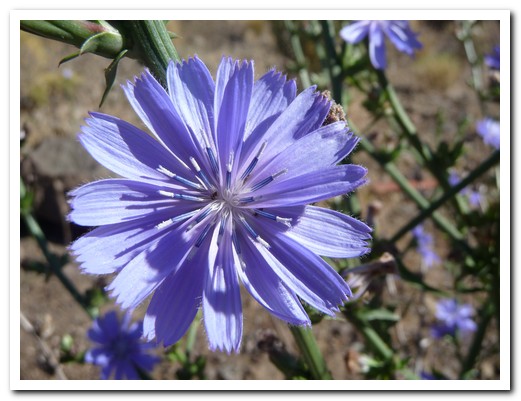
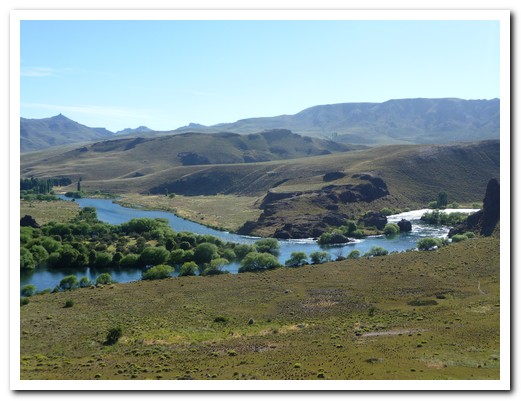
A bend in the river outside of Bariloche